
-
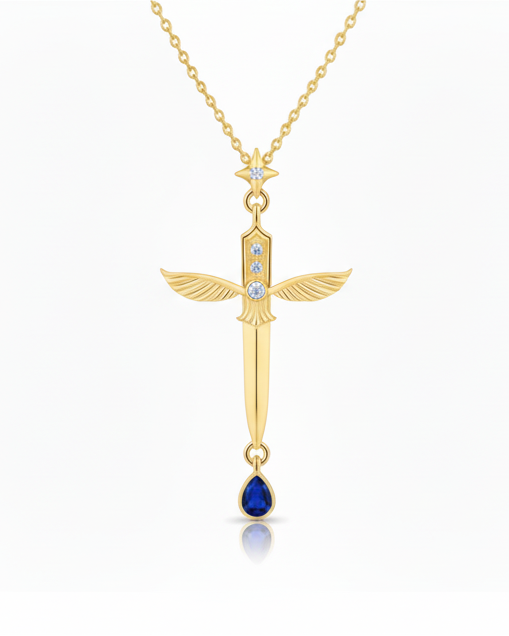
Queen of Swords Tarot Pendant
Vendor:yiru.jewelleryRegular price From £105.00 GBPRegular price -
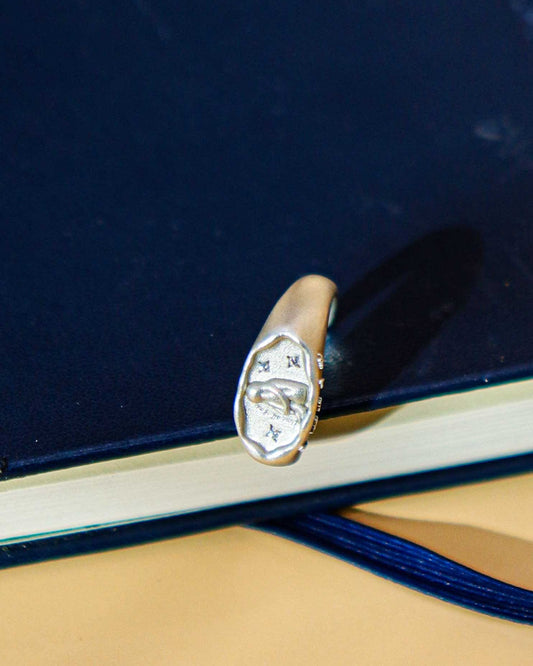
Inner Child signet Ring
Vendor:yiru.jewellerRegular price £130.00 GBPRegular price


Protection Jewelry: Amulets, Symbols
Amulets and the Origins of Protection Symbols
An amulet traditionally symbolizes beneficial force. For thousands of years, people have worn small natural objects—stones, bones, shells, wood, and carved figures—to ward off danger and attract favorable outcomes. These items were often linked to myth, religion, or ancestral memory, expressing a universal desire: that good should prevail over harm.In many cultures, newborn children were given protective charms immediately after birth. In parts of South America, families once placed black jade or red coral amulets shaped like small fists beneath a gold bracelet, believing the form would protect infants from the evil eye (mal de ojo)—a harmful gaze thought to arise from envy or excessive admiration. The material and gesture combined into a symbolic defense system: stone for endurance, coral for vitality, gold for sacred protection.Such practices reveal that protection was never purely physical. It addressed emotional fear, social vulnerability, and spiritual uncertainty at once.
Animal Forms as Spiritual Guardians
Animals appear frequently in protection symbolism because they represent instincts humans seek to reclaim. Fish-shaped amulets, for example, once symbolized abundance and hidden knowledge in ancient cultures. Over time, the fish became associated with early Christianity, first as a secret sign and later as a protective emblem of faith.In North America, fish also functioned as tribal totems, symbolizing survival, cyclical renewal, and unseen wisdom beneath the surface of water. As jewelry, the fish form carried these layered meanings: nourishment, continuity, and spiritual shelter.Other animals—birds, butterflies, and guardian creatures—serve similar roles. They are not chosen randomly but emerge from long-standing mythic associations with guidance, transformation, and watchfulness.
Protection as Boundary: Psychological and Spiritual Meaning
Historically, protection symbols addressed the fear of misfortune. In modern life, they often respond to different threats: emotional exhaustion, social pressure, or loss of stability. Protection jewelry becomes a way to establish symbolic boundaries—between self and environment, inner world and outer chaos.Rather than acting as superstition, such symbols function through intention. They create a visible reminder of safety, resilience, and self-regulation. When worn consistently, they become anchors during periods of uncertainty: travel, transition, or personal upheaval.
Materials and the Role of Stone in Protection
Natural materials intensify symbolic meaning. Stones and gemstones have been used as protection objects because they appear enduring and unchanging. Jade, for instance, has long been associated with moral virtue and bodily safeguarding in East Asian traditions. Coral has symbolized life force and blood protection in Mediterranean cultures. Dark stones were often chosen to absorb or deflect harmful influence.The material does not operate alone; it collaborates with form and story. A protective symbol carved into stone merges substance with meaning, turning jewelry into a symbolic vessel.
How to Choose Protection Jewelry
In contemporary jewelry, protection symbols are distilled into wearable minimal forms. Sacred geometry, animal figures, and ancient motifs are translated into rings, necklaces, and pendants that can be carried daily.Protection jewelry may be selected by:
- a symbol historically linked to safeguarding
- a form that resonates emotionally
- a stone associated with stability or calm
- a period of personal vulnerability
- cultural or ancestral meaning
The most effective talisman is one that carries both symbolic lineage and personal significance.
Explore:
Jewelry for Safety & Protection